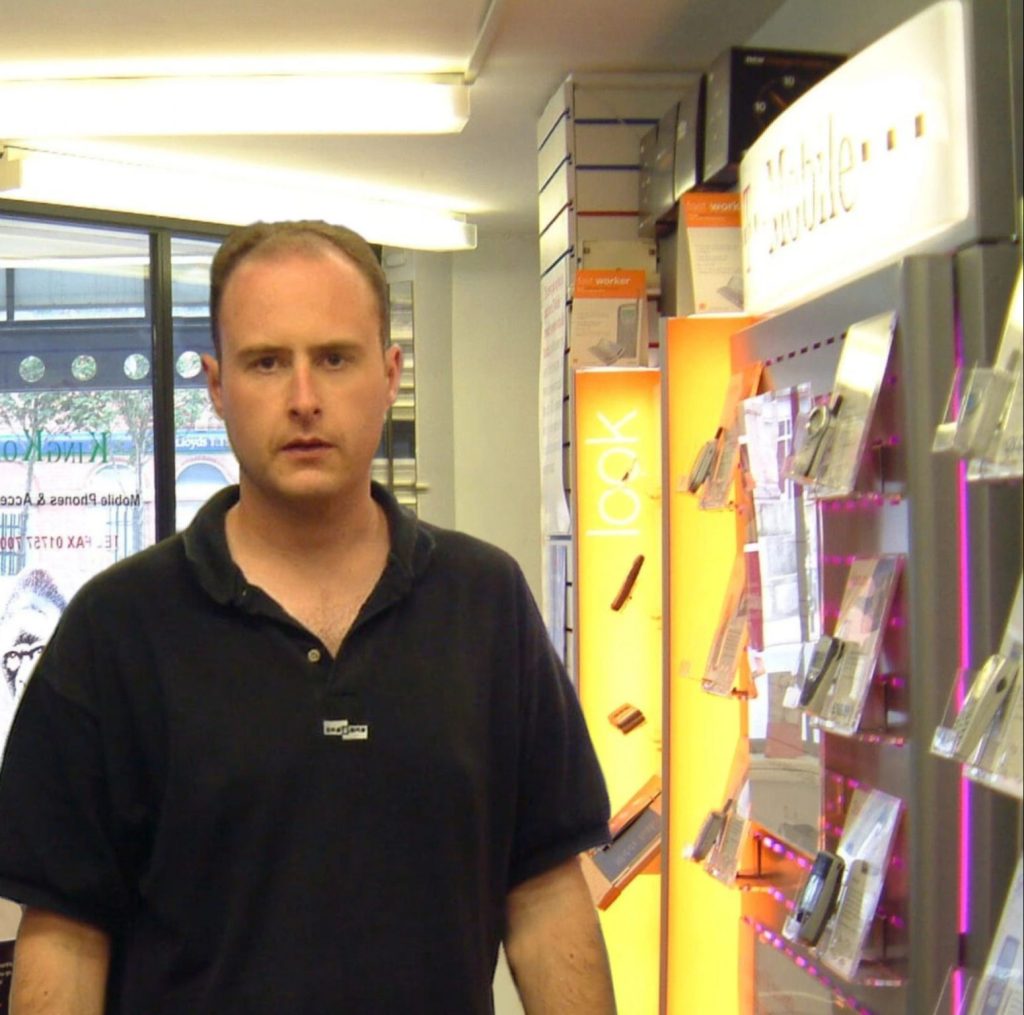
Dave is a young male wearing a black t-shirt and with a receding hairline! He is stood in a mobile phone shop from the late 1990s

27 Years in Mobile – How UK Business Mobiles Have Evolved

After 27 years in the mobile phone industry, it’s fair to say I had more hair when it all began. The photo above was taken in my Selby shop in 2001 — back when mobile phones were simpler, heavier, and somehow more exciting.

Working in UK business telecoms for almost three decades means I’ve seen every shift in mobile technology, from ringtones to 5G. As we help companies choose the right business mobiles in the UK today, I often think back to how far things have come.

Here are a few milestones that still standout…

When Ringtones Were a Booming Industry

Do you remember buying ringtones for your Nokia?  It was a massive industry with every type of ringtone available; ringtones were a surprisingly serious business back in the day!

For businesses, mobiles were still a luxury rather than an operational necessity. A company phone usually meant a basic Nokia with a long battery life. Data didn’t matter yet. Connectivity meant calls and texts, nothing more.

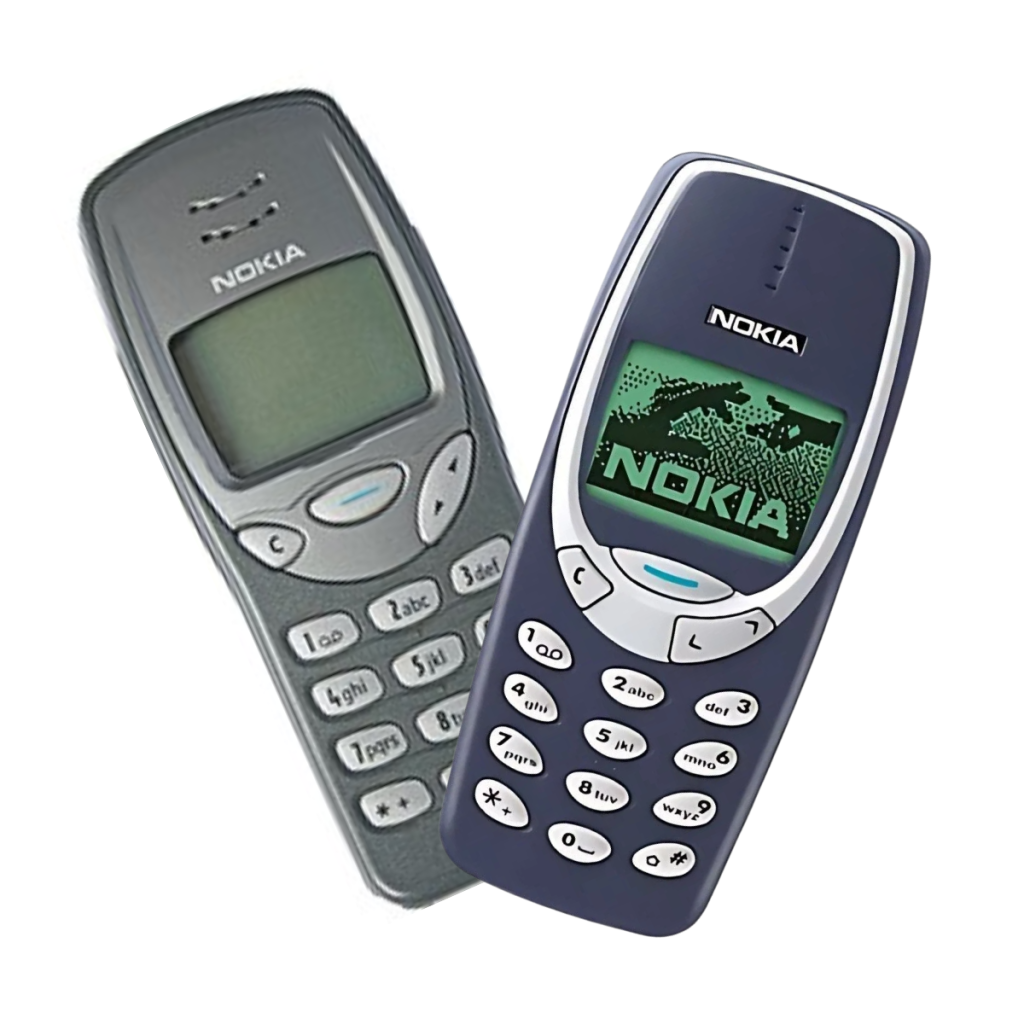
Nokia 3210 and Nokia 3310

XPress-on Covers and the Era of Snake

If you worked in retail telecoms back then, you’ll remember shelves full of XPress-on covers for the Nokia 3310. Changing the colour of your phone felt like peak personalisation.

Snake kept millions of us entertained long before apps were a thing. There were no mobile strategies, no digital transformation plans — just incredibly durable phones and endless battery life, which meant I became an expert on Snake!

But even these early devices laid some groundwork for today’s mobiles for business: reliable, sturdy tools that people depended on daily.

BlackBerry: The First True Business Mobile

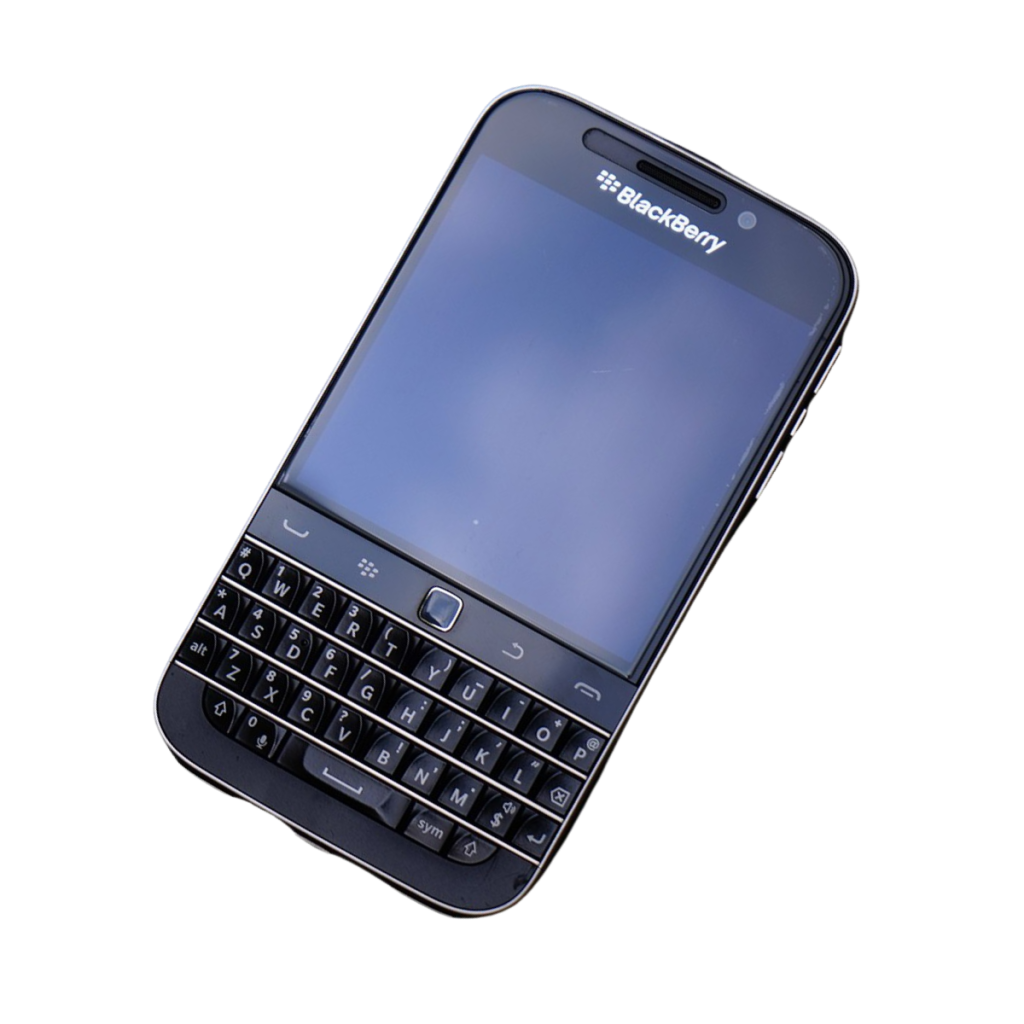
Retro style Blackberry mobile phone

BlackBerry changed everything for UK businesses. The moment those QWERTY keyboards arrived, professionals suddenly had the power to email on the move. BBM became the standard for internal comms long before apps like WhatsApp existed.

For the first time, businesses began to think about:

  • supplying staff with dedicated business mobiles
  • staying connected outside the office
  • mobile productivity
  • security and email access

It was the birth of truly mobile business communication.

The Tiny Powerhouses: Nokia 8310, Motorola V3688

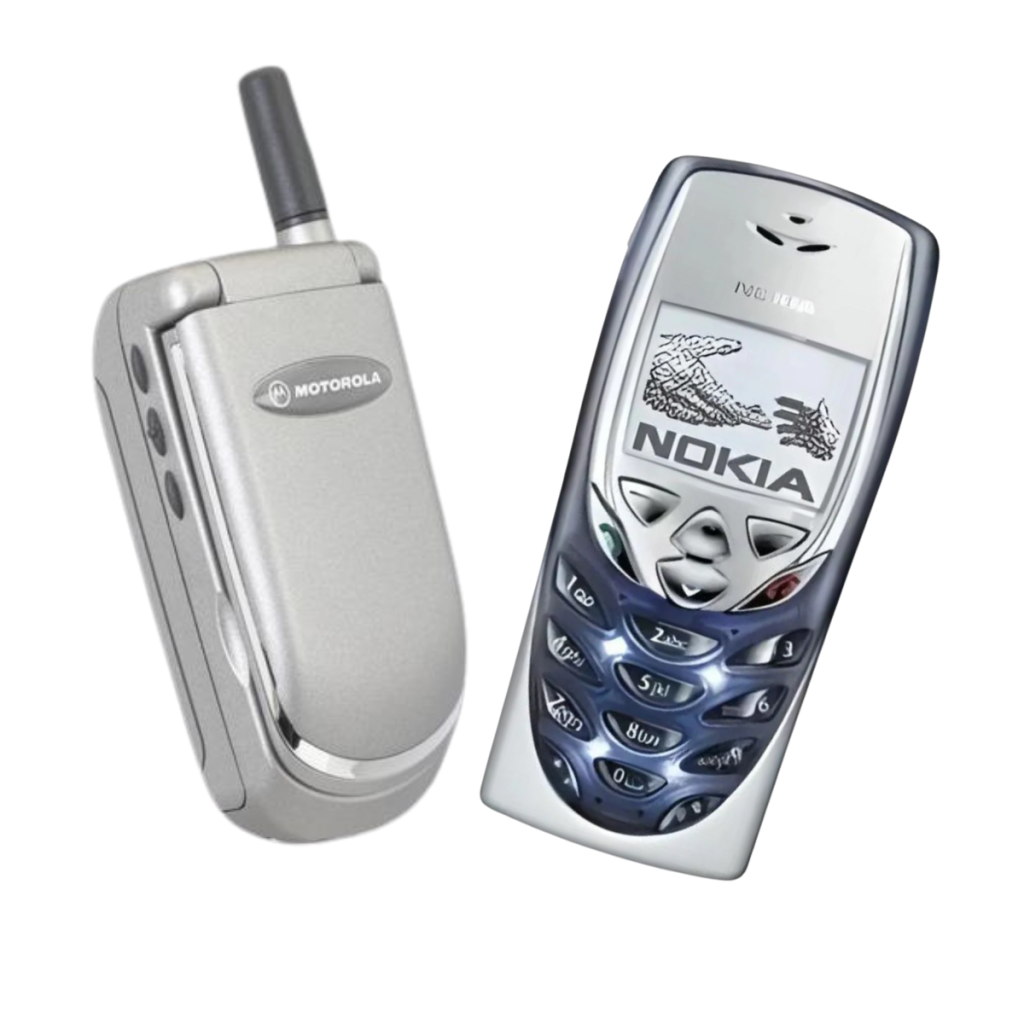
Before smartphones, it seemed like the smaller the better.  The Nokia 8310 was tiny yet incredibly capable for its time; I actually carried three of them — one for each UK network. The Motorola V3688 flip phone added a futuristic feel. It snapped open like something from Star Trek and signalled the beginning of design-led mobile devices.

These weren’t powerful by today’s standards, but for businesses they represented a step toward flexibility and portability.

Motorola V3688 and nokia 8310

3G Arrives: A Turning Point for UK Business Connectivity

When 3G launched on 03/03/03 in the UK, it marked the start of faster mobile data and the foundations of modern business mobility. I remember seeing early concept phones with colour screens and being extremely sceptical, thinking these will never take off, but how wrong I was!

And yet, 3G’s arrival meant a stepping stone that ultimately enabled smartphones to become essential tools for UK businesses.

The First Camera Phones: Grainy but Revolutionary

The first camera phones were laughable really, my Nokia N95 took photos that were — to put it politely — questionable. But the idea that you could take a picture on a phone was ground-breaking and a spark was born.

It was the start of what businesses now take for granted: powerful, high-quality productivity tools in our pockets — the very beginning of modern mobiles for business.

Windows Mobile and the Pre-iPhone Era

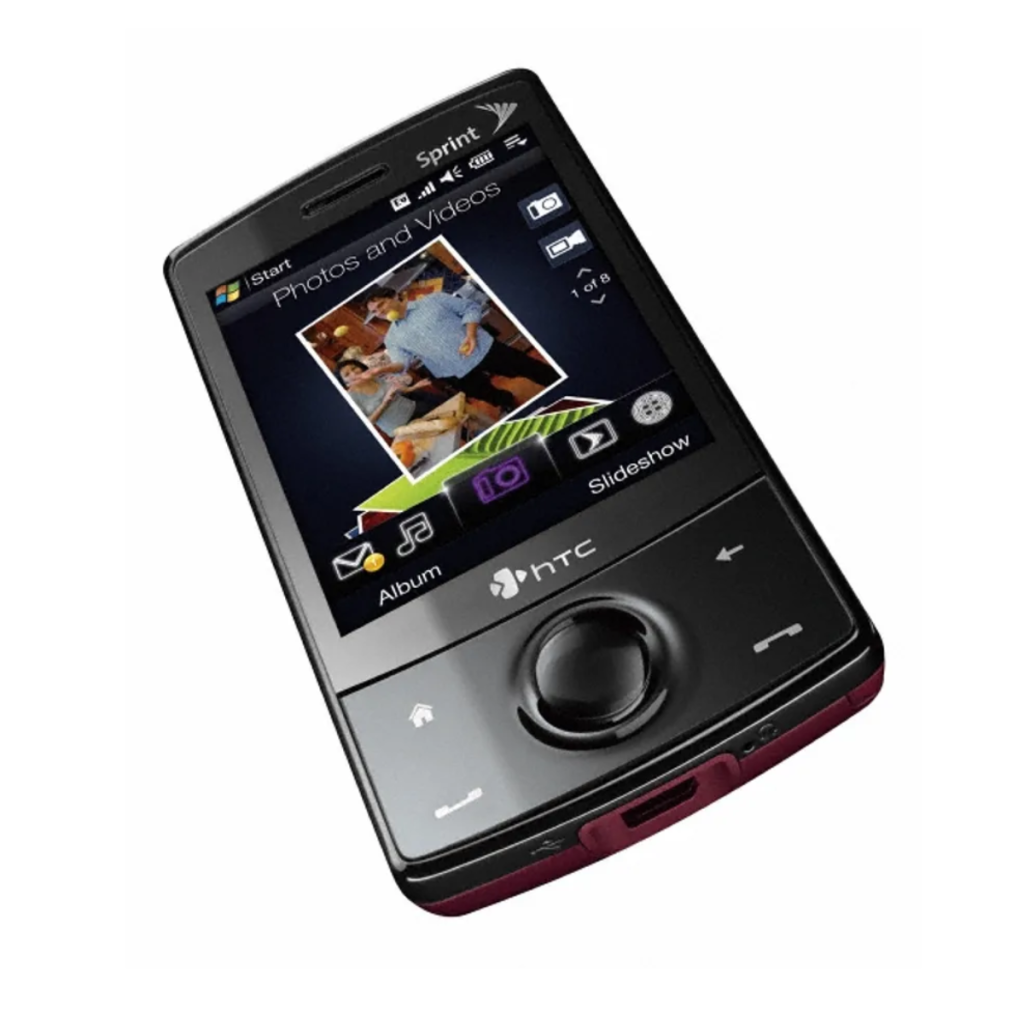
HTC Touch Diamond

Before Apple and Android took over, I was a big fan of the HTC Touch Diamond. It ran Windows Mobile, a clunky but ambitious attempt at a smartphone operating system. At the time, Microsoft had no idea what was coming… and honestly, neither did the rest of us.

These early smartphones hinted at what mobiles for business could become: handheld devices that could handle emails, calendars, and even basic documents.

And then came 2007…

The iPhone Arrives and Everything Changes

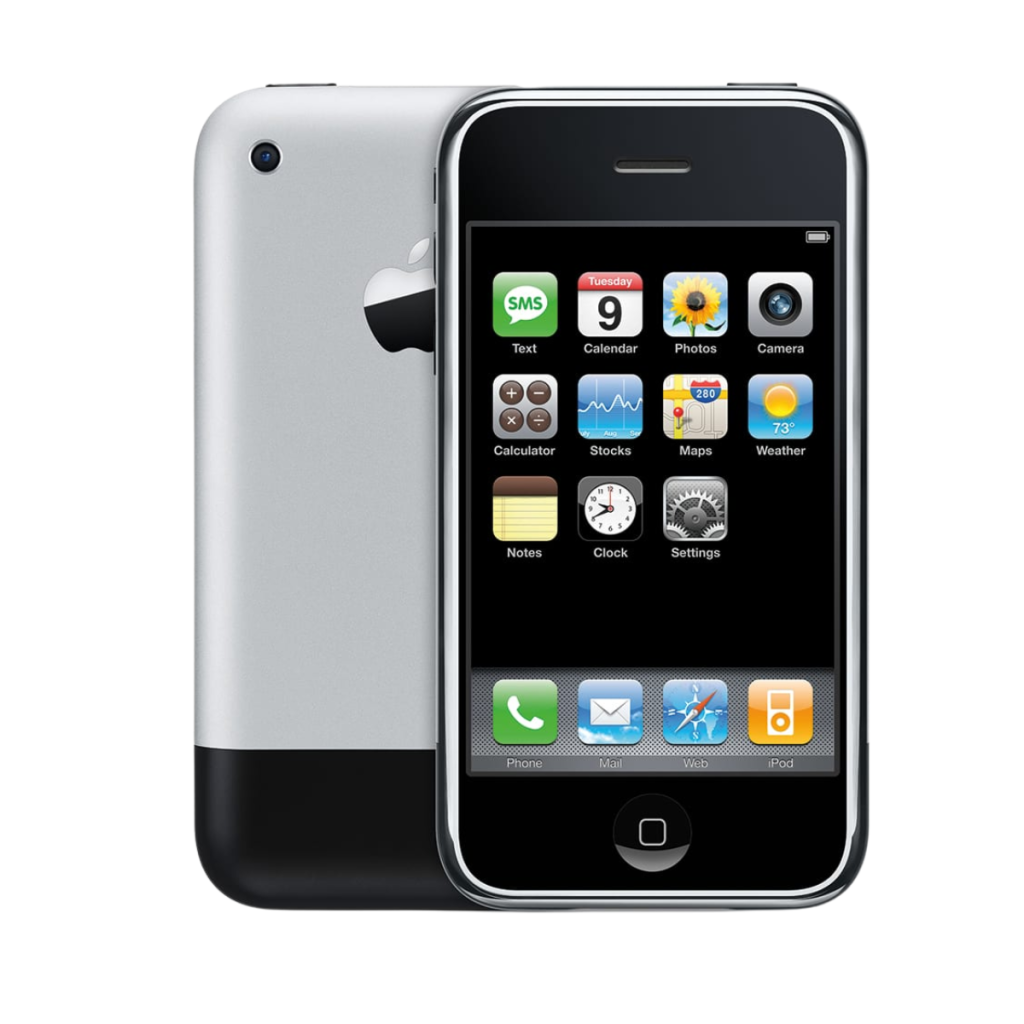
I didn’t own the first iPhone, but I remember the moment I tried one in a York phone shop. The smooth scrolling, the touchscreen experience, the simplicity, it was a game changer, and it was instantly obvious that this was a leap forward. Since the second model (the iPhone 3G — there was never an iPhone 2), I’ve owned every single iPhone. For businesses, the impact was huge:

  • apps became essential workplace tools
  • remote working grew
  • mobile strategies started forming
  • BYOD (bring your own device) became common

It changed how companies operate forever.

the first iPhone

Android Arrives and Sparks Competition

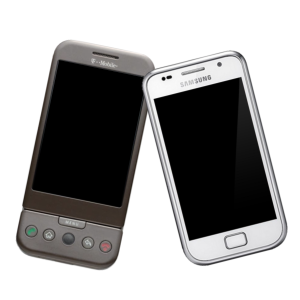
HTC Dream and Samsung Galaxy S

The HTC Dream launched Android in 2008, giving businesses a flexible, customisable alternative to Apple. Samsung didn’t have a rival for the iPhone until 2010, creating real competition in the business mobile market.

The Era of Rapid Innovation

Things accelerated rapidly with new iPhones and Samsungs being introduced every year, and with each new model came a massive leap in technology, and you could really see it:

  • better cameras
  • bigger screens
  • faster processors
  • app improvements
  • better mobile security

Today, improvements are more incremental, but the ecosystem around mobile devices has grown massively.

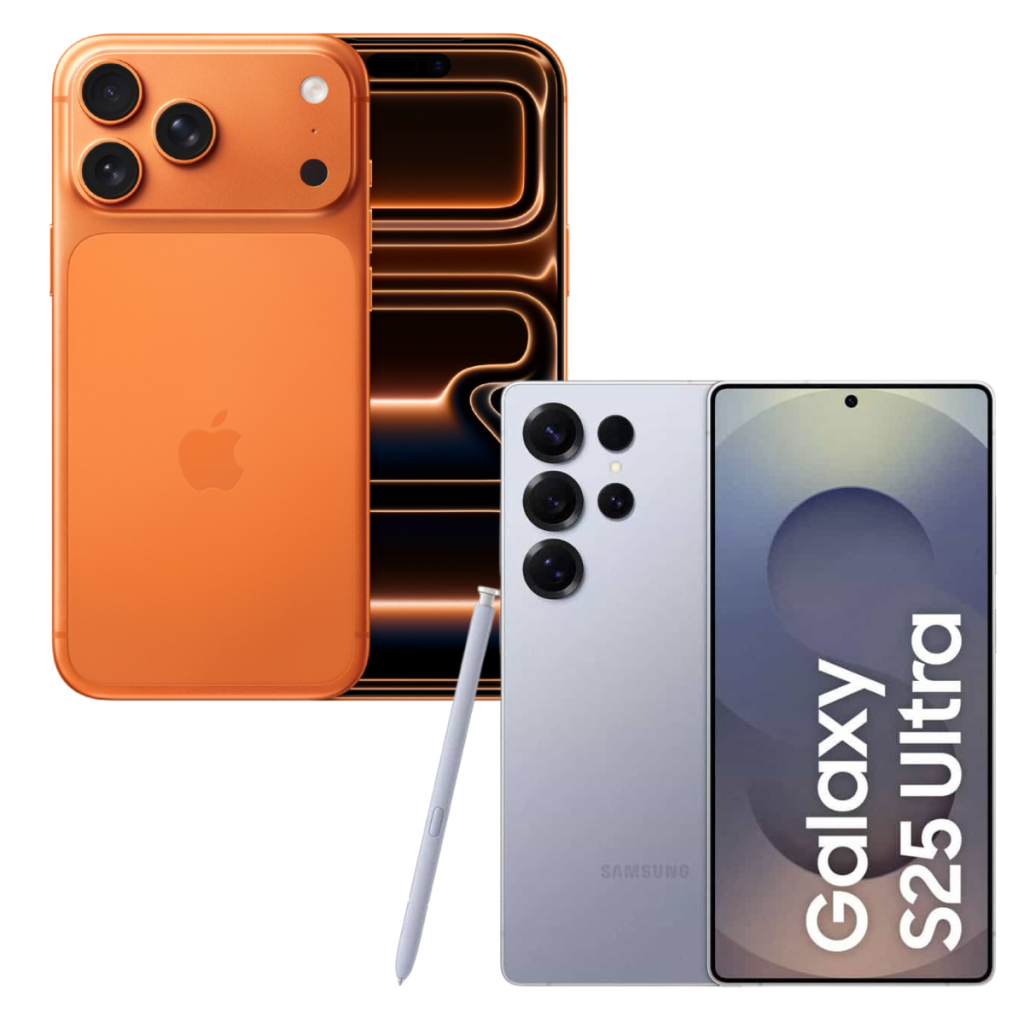
iPhone 17 Pro Max and Samsung Galaxy S25

Fast Forward to Today: 5G, Satellite Connectivity and Beyond

We’ve now reached an age where:

  • UK businesses can run entire operations from mobile devices
  • 5G offers fibre-like speeds on the move
  • satellite connectivity can keep teams online almost anywhere
  • mobile security and MDM protect company data
  • apps manage everything from logistics to sales to HR

So what’s next?  There’s a lot of speculation about smart glasses or wearable tech replacing phones. Personally, I think handheld mobiles will remain central to business life for decades. They’re simply too practical and ingrained in how we work, and they fit into our lives too well.

Your Turn — What Do You Remember?

What mobile phone memories do you have from the past? Whether it’s for personal nostalgia or your first business mobile, I’d love to hear them.

If you found this article interesting, please have a look at similar articles here:

Author: Dave Spittlehouse

Dave is a telecoms specialist with nearly three decades of industry experience. Once the owner of six mobile-phone retail shops across Yorkshire, he now serves as a Director at Simpatico Communications, where he leads sales and shapes customer relationships. With deep expertise in the mobile industry — from consumer devices to business connectivity — Dave brings practical insight and real-world knowledge to every client he works with.

Known as “the brains of the operation,” he combines technical understanding with a people-first philosophy: prioritising honest, straightforward communication, fair pricing, and personal support for clients of any size. Outside of work, he enjoys photography, travel, and combining both — recently visiting Australia and attending the Singapore Grand Prix as part of a goal to experience every Formula 1 track worldwide.

Shopping Basket